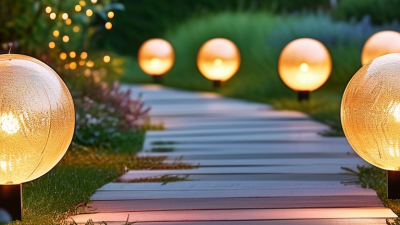
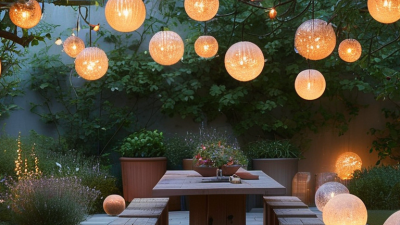
Choosing Decorative Garden Globes is more than selecting a shiny object. It means balancing scale, reflection, weather resistance, and visual rhythm. A globe beside lavender catches morning light. Another near a pond can double the garden’s depth, but it may also create distracting glare.
The 2023 National Gardening Association survey reported that 80% of U.S. households gardened during 2022. That figure reflects a large audience investing in outdoor spaces, not merely growing vegetables. Meanwhile, the Garden Media Group’s 2024 Garden Trends Report highlights wellness, personal expression, and nature-connected design. These trends help explain why decorative accents are becoming more intentional. Still, broad gardening data does not measure Decorative Garden Globes directly. That limitation matters.
Landscape architect Thomas Church said, “Gardens are for people.” His principle remains useful here. A globe should support movement, comfort, and conversation. It should not dominate the planting bed. Check its diameter against nearby foliage. Test its reflection from the main viewing path. Inspect stainless steel, glass, or coated finishes before buying.
Small details matter.
A polished surface may show fingerprints after rain. A lightweight globe may shift during strong wind. A dark finish can disappear beneath dense shrubs. These are easy mistakes, even for experienced gardeners. This guide examines ten practical tips for choosing Decorative Garden Globes, including placement, proportion, safety, maintenance, and seasonal performance. The best choice may not be the brightest one. It may be the quiet globe that makes the surrounding garden feel complete.
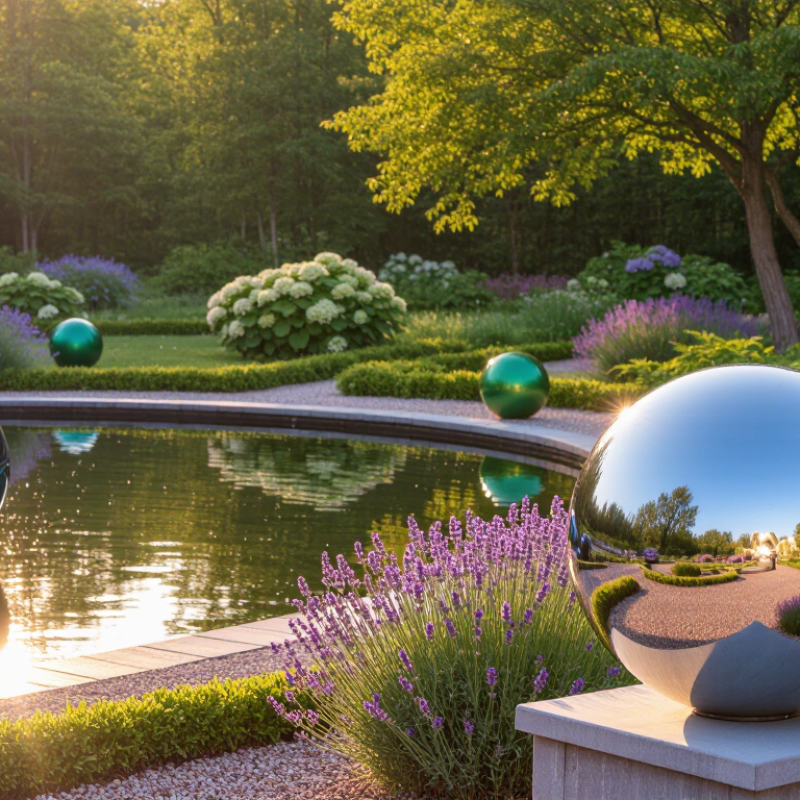
Decorative garden globes can change a garden’s character without occupying much space. Their style should match the surrounding plants, paving, and light conditions. A mirrored globe reflects leaves, clouds, and moving sunlight, creating a lively focal point near a path. It can also show dust quickly, especially after dry weather.
Mosaic globes offer stronger color and visible texture. Blue and green pieces suit leafy borders, while amber tones add warmth beside stone or timber. Frosted glass creates a softer effect in pale gardens and looks especially calm during early morning. Metal globes bring a cleaner, more structured appearance, though dark surfaces may become hot under direct summer sun. Choose carefully.
Scale matters Scale matters more than many shoppers expect. A small globe can disappear among tall grasses, while a large one may overpower delicate flowers. I once placed a bright globe beside young lavender, and the ornament dominated the planting bed. The mistake taught me to judge height, color, and viewing distance together.
Placement also reveals each style’s strengths. Position reflective surfaces where they can capture open sky, not a blank wall. Set textured globes near simple foliage so their patterns remain visible. Check that the stand is stable and the surface resists moisture, frost, and strong wind. Some finishes age beautifully; others develop uneven marks. That is not always a flaw, but it deserves thought. Rotate the globe occasionally, because one angle may look perfect while another feels awkward.
A decorative garden globe should fit the space, not dominate it. The 2023 ASLA Residential Landscape Architecture Trends Survey reported strong demand for patios, dining areas, and outdoor living features. This suggests gardens are becoming viewing rooms, where scale affects comfort and movement.
Measure the garden before shopping. Tip one: record the longest sightline. Tip two: note paths, doors, and seating. Tip three: keep circulation clear. Tip four: test the globe with a cardboard circle. Tip five: compare its height with nearby plants. A globe beside low lavender may need a smaller diameter. A globe near a mature tree can support greater visual weight.
Placement changes perception. Tip six: use a focal point at the end of a path. Tip seven: avoid hiding a globe behind dense foliage. Tip eight: check morning and afternoon glare. Tip nine: leave space around reflective surfaces for cleaning. The Royal Horticultural Society’s gardening research emphasizes plant structure, seasonal change, and practical maintenance. A neglected globe quickly loses its charm. Tip ten: view the installation from inside the house, not only outdoors. That perspective is easy to miss. I once chose a globe by its showroom appearance, and it looked oversized beside a narrow border. Reconsidering the surrounding scale made the garden feel calmer. Editorial judgment matters. Data guides decisions, but the site still has the final word.
Larger gardens can accommodate wider decorative globes and greater viewing distances, while compact spaces benefit from smaller globes placed where they will not obstruct paths or planting beds. Use these planning values as a practical starting point, then adjust the placement according to sightlines, surrounding plants, and available clearance.
10 Tips for Choosing Decorative Garden Globes
Decorative garden globes face rain, sunlight, frost, and sudden temperature changes. Material choice matters more than appearance. Solid stone offers excellent stability, but it can absorb water through tiny pores. In freezing weather, trapped moisture may expand and cause cracks. Glazed ceramic resists surface moisture better, although chipped glaze can expose the weaker body underneath. UV-resistant resin is lighter and easier to move, but low-quality resin may fade or become brittle.
Weight matters. A heavy globe is less likely to roll across a wet lawn or tip in strong wind. Check the base carefully. It should sit flat without rocking. For metal globes, look for corrosion-resistant construction and sealed joints. Stainless steel or properly coated steel usually performs better than untreated metal near salty air. Small cracks spread.
Inspect drainage and openings before buying. Water trapped inside can damage a hollow globe during winter. A covered opening may reduce insects and moisture, but it should not create pressure inside the sphere. I once chose a beautiful lightweight globe that shifted after heavy rain. The design was attractive, yet the base was too narrow. That mistake changed how I assess outdoor stability.
Ask about UV testing, frost tolerance, and coating durability when product details are available. These claims should come from clear testing information, not vague phrases such as “all-weather.” Place the globe away from sprinkler spray and use a stable anchor in exposed gardens. Even durable materials need care. Wiping away soil and checking seams each season can reveal problems early. I still inspect mine after severe weather, because no finish stays perfect forever.
Decorative garden globes should echo the colors already present in your landscape. Study nearby flowers, paving, fences, and foliage before choosing a finish. Soft bronze suits warm stone and autumn planting. Silver or glass-like surfaces work well with cool greens and contemporary patios. White can brighten shade, but it may look harsh beside pale gravel.
Match the globe’s finish to the garden’s mood. A polished surface reflects sunlight, leaves, and moving clouds. It creates energy near water or open lawns. A matte finish feels quieter beside herbs, timber, and informal planting. Textured finishes can hide dust better, although they may collect rain marks. I once chose a highly reflective globe for a small border. It looked attractive in the shop, but overwhelming at home.
Consider the landscape theme, scale, and viewing distance. Rustic gardens benefit from muted colors and aged textures. Modern spaces can handle clean shapes and stronger contrast. In a cottage-style border, a deep blue globe may connect delphiniums without copying them exactly. Place one near a path bend, not where it blocks a favorite plant. Use related colors in pairs, but avoid perfect repetition. Garden light changes throughout the day, so inspect samples in morning and afternoon. A shade that seems balanced at noon may become dull by evening. Check the material’s outdoor durability, drainage design, and cleaning needs before installation. Small details matter.
| Tip | Selection Focus | Best For | Practical Recommendation | Suggested Color and Landscape Pairing | Care Consideration |
|---|---|---|---|---|---|
| 1 | Match the dominant garden colors | Cohesive planting beds and borders | Choose a globe that repeats one established color from nearby flowers, foliage, paving, or outdoor furniture. Repeating an existing color usually looks more intentional than adding several unrelated shades. | Pair a blue globe with silvery foliage and purple flowers, or use a warm amber globe beside yellow blooms and tan stone. | Check the color in both direct sun and shade before final placement. |
| 2 | Coordinate the finish with the surroundings | Gardens with a defined architectural style | Use glossy finishes to reflect light and create a lively focal point. Select matte, brushed, or weathered finishes when a quieter, more natural appearance is preferred. | Glossy glass suits contemporary courtyards; matte ceramic or aged metal complements cottage and rustic landscapes. | Glossy surfaces show water spots and fingerprints more readily. |
| 3 | Consider the landscape theme | Themed gardens and outdoor rooms | Let the globe support the existing design language rather than compete with it. Simple forms work across styles, while decorative patterns are best used where visual detail is already part of the theme. | Use blue-green tones for coastal settings, earthy finishes for rustic gardens, and clean metallic or monochrome finishes for modern spaces. | Avoid highly ornate designs in small spaces where they may appear visually crowded. |
| 4 | Select an appropriate size | Balancing plants, pathways, and containers | Choose the globe size according to the viewing distance and surrounding scale. A small globe may disappear among tall plants, while an oversized globe can overwhelm a narrow bed. | Small globes suit container displays and narrow borders; medium or large globes are more visible in open lawns and spacious planting beds. | Leave enough clearance for mowing, pruning, and routine garden access. |
| 5 | Use contrast for visibility | Creating a clear focal point | Select a color or finish that contrasts with the background foliage while still sharing a visual connection with the overall garden palette. | A pale silver globe stands out against dark evergreen shrubs; a deep bronze globe contrasts effectively with light gravel or pale stone. | Strong contrast can attract attention, so position it where a focal point is desirable. |
| 6 | Think about sunlight and reflection | Sunny patios, lawns, and open beds | Reflective globes can brighten shaded areas and add sparkle in morning or afternoon light. Avoid placing highly reflective surfaces where glare could affect seating areas or nearby windows. | Use a reflective silver or clear finish in a shaded border; choose a softer satin finish near south-facing seating areas. | Inspect the location at different times of day to identify unwanted glare. |
| 7 | Choose durable materials | Exposed, windy, or frequently used locations | Select materials rated for outdoor use and appropriate for the local climate. Weather-resistant glass, fired ceramic, sealed metal, and durable resin can each work when properly specified and maintained. | Use heavier construction in windy gardens and UV-resistant materials in areas with prolonged strong sunlight. | Review freeze-thaw guidance, corrosion resistance, and UV performance before purchase. |
| 8 | Plan a secure installation | Public-facing gardens, active households, and windy sites | Use a stable stand, ground stake, or concealed anchoring method suited to the globe and its location. Keep the center of gravity low where possible. | Place a weighted globe on a level terrace or anchor it beside a path where accidental contact is more likely. | Check supports periodically for looseness, rust, shifting soil, or damage. |
| 9 | Repeat shapes and groupings carefully | Large beds and coordinated displays | Use two or three globes to create rhythm, varying height or size slightly while keeping a related color family or finish. Odd-numbered groupings often create a relaxed visual balance. | Combine three blue-green globes at different heights near a pond or arrange warm bronze globes along a broad planting border. | Maintain clear spacing so each globe remains visually distinct. |
| 10 | Match maintenance needs to your routine | Long-term appearance and easy upkeep | Choose a finish that fits the amount of cleaning and seasonal care you are willing to provide. Smooth surfaces are generally easier to wipe, while textured or weathered finishes may conceal dust but can collect debris. | Select a smooth sealed finish for dusty locations and a naturally weathered finish for low-maintenance rustic beds. | Clean with mild soap and water unless the material instructions specify otherwise. |
10 Tips for Choosing Decorative Garden Globes
Comparing Safety, Maintenance, and Overall Value
Start with the globe’s material. Tempered glass offers a refined appearance, but acrylic usually handles children, pets, and accidental impacts better. Check for smooth edges, stable bases, and weather-resistant seals. The U.S. Consumer Product Safety Commission has reported roughly 14,000 emergency-department injuries from holiday decorating in recent annual estimates. Garden placement deserves similar care. Avoid walkways, climbing routes, and areas where mowing equipment passes.
Maintenance affects real value. Choose surfaces that resist algae, fading, and mineral spots. A removable globe makes cleaning easier after rain. Solar models reduce wiring, but cloudy weeks can weaken performance. The U.S. Department of Energy states that LED lighting uses at least 75% less energy and can last up to 25 times longer than incandescent lighting. Look for replaceable batteries and accessible light modules. Sealed units may look cleaner, yet repairs become difficult.
Compare the full ownership cost, not only the purchase price. Include replacement parts, electricity, cleaning tools, and seasonal storage. I once chose a cheaper globe with a thin base. Wind exposed that mistake quickly. Measure the garden first. Larger globes need wider spacing and firmer support. Smaller globes can disappear among dense plants. Check independent testing details, warranty terms, and moisture ratings. Marketing language can sound reassuring. It is not proof of durability.