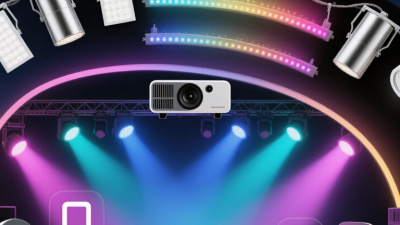
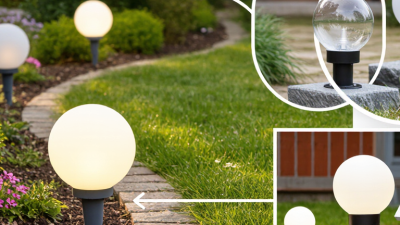
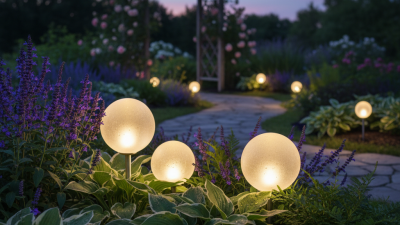
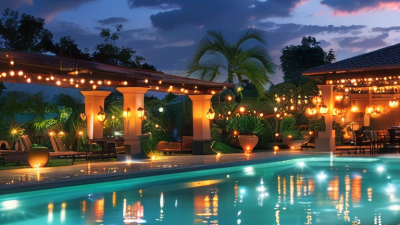
Choosing the right Party Lights can transform a plain venue into a memorable wedding or event space. Yet brightness alone does not create atmosphere. Color accuracy, beam control, setup time, battery life, and guest comfort matter just as much.
The Knot’s 2024 Real Weddings Study shows that modern couples continue investing heavily in guest experience and reception design. That makes lighting a practical design decision, not a decorative afterthought. The U.S. Department of Energy reports that LED lighting uses at least 75% less energy than incandescent lighting and lasts up to 25 times longer. For planners, that can mean cooler equipment, fewer replacements, and more dependable operation during long receptions.
This guide examines seven of the best Party Lights for events and weddings. Each option is considered for brightness, color quality, portability, control systems, and venue safety. Uplighting can wash textured walls in amber or soft white. Moving heads can energize a dance floor, while string lights create a warmer canopy above dining tables. Small details matter.
A light that looks impressive online may feel harsh in person. No fixture is perfect. Some models produce fan noise, weak colors, or confusing controls. Those weaknesses deserve attention. Recommendations should also reflect real venue conditions, including low ceilings, outdoor wind, limited power outlets, and strict setup schedules. The final choices balance professional performance with practical value, helping couples and event teams create polished scenes without unnecessary complexity.
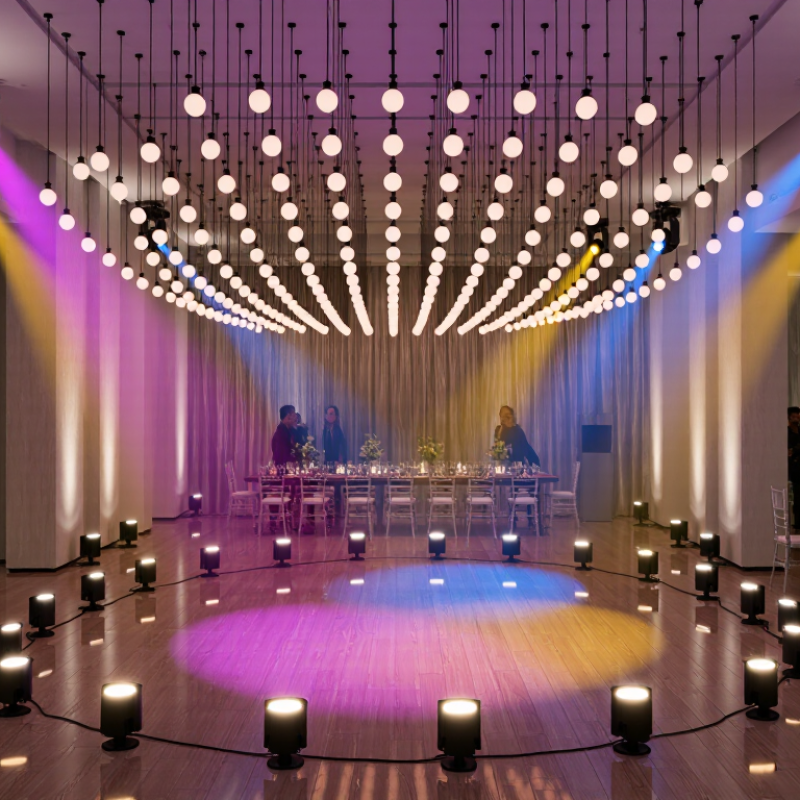
Choosing party lights starts with the event’s mood, ceiling height, and guest movement. Seven useful types include string lights, fairy lights, uplights, wash lights, pinspots, moving lights, and projection lights. Each creates a different visual effect.
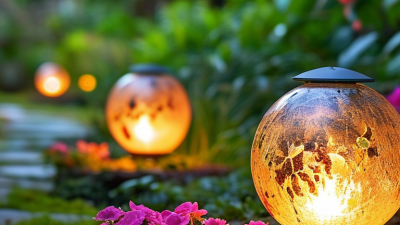
String and fairy lights add warmth around tables, arches, and outdoor seating. Uplights color walls and columns without occupying floor space. Wash lights create broad, gentle color across dance floors or backdrops. Pinspots highlight cakes, floral arrangements, and dining tables with focused beams. Moving lights bring energy to dance areas, but they may feel too dramatic during a quiet ceremony. Projection lights can display patterns, textures, or soft shapes on blank surfaces. Festoon-style bulbs offer a charming café atmosphere and work well above long banquet tables.
From event setup experience, light placement matters more than brightness. A strong beam can make photographs harsh and distract guests. Test the lighting beside the photographer’s planned position. I once chose lights that looked beautiful in an empty room, yet felt overpowering after guests arrived. That mistake changed my planning process.
Use equipment with suitable electrical certification and secure every cable. Outdoor fixtures need proper weather protection. Keep lights away from curtains, paper décor, and crowded walkways. Dimmer control helps adjust the atmosphere as the evening changes. A rehearsal often reveals problems that a floor plan misses.
Typical power consumption helps compare common lighting types for event planning. Values represent approximate wattage per fixture and may vary by model and brightness setting.
LED uplights, pinspots, and string lights are generally energy-efficient choices for weddings and smaller events. Moving-head lights, gobo projectors, and laser projectors typically use more power but provide stronger visual effects for larger dance floors and stage areas.
Before choosing event lighting, measure the room, ceiling height, power access, and guest movement. Brightness matters, but uncontrolled brightness flattens photographs and creates harsh shadows. Choose dimmable fixtures with adjustable beam angles. A narrow beam can highlight a cake table, while a wider beam softens a dance floor.
Color quality deserves equal attention. Look for a high Color Rendering Index, preferably 90 or above, so skin tones, flowers, and fabric remain natural. Warm white light near 2700–3000K usually suits romantic receptions. Cooler light can energize a modern party, but it may make faces appear pale.
I once used too much blue light in a small hall. The room felt colder than expected.
Power and safety are practical filters. The U.S. Department of Energy reports that LED lighting uses at least 75% less energy than incandescent lighting and lasts up to 25 times longer. Battery fixtures can reduce cable clutter, yet their runtime must exceed the event schedule. Test them with full brightness.
The Knot’s 2024 Real Weddings Study reports an average U.S. wedding cost of $33,000, so lighting should support the atmosphere without consuming an unreasonable share of the budget.
Weather-resistant housings, stable bases, quiet cooling, and simple wireless controls also matter.
According to the Illuminating Engineering Society, glare control improves visual comfort, but real venues remain unpredictable. Always test a sample setup after sunset.
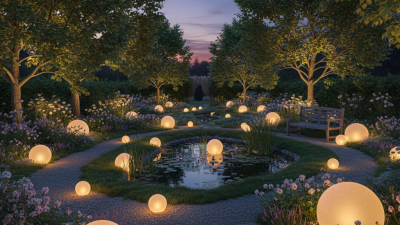
Matching party lights to a wedding theme requires more than choosing the brightest fixture. The Knot’s 2023 Real Weddings Study recorded an average U.S. wedding cost of $35,000 and 115 guests. That scale makes lighting placement important. For a romantic garden theme, use warm string lights, fairy lights, and low-intensity uplighting. Their amber glow suits wooden tables, pale flowers, and sunset portraits. A modern minimalist wedding benefits from clean LED wash lights and narrow pinspots. Keep the palette white, soft gold, or pale blue. Too many colors can make the room feel like a nightclub.
For a rustic celebration, festoon lights and lantern-style fixtures create visible texture above dining tables. A glamorous ballroom can use moving lights, gobo projections, and discreet pinspots to highlight the cake or dance floor. According to the U.S. Department of Energy, LED lighting uses at least 75% less energy than incandescent lighting and lasts much longer. That supports cooler equipment and fewer replacements during long receptions. Test the lighting beside the wedding colors, not only on a phone screen. I have seen warm white turn orange against beige linens. That was not the intended effect. Also, lighting plans should leave clear walkways and avoid shining directly into guests’ eyes. Seven lighting types may sound excessive, but each should serve one visual purpose.
For weddings and events, the best party lights are not always the brightest. A balanced plan may combine warm string lights, wall uplights, soft wash fixtures, pinspots, moving heads, lanterns, and dance-floor strobes. Each type serves a different purpose. String lights create a welcoming ceiling. Uplights add depth behind tables. Pinspots make centerpieces visible without flooding the room. Use moving effects sparingly. Guests came to celebrate, not inspect equipment.
Begin with a measured floor plan and mark entrances, tables, stages, exits, and power points. Place uplights evenly along walls, usually one to two meters apart. Aim wash lights across the dance floor, not toward seated guests. Position pinspots above focal details, such as cakes, floral arrangements, or signs. Keep fixtures away from sprinklers, fabric, and crowded walkways. Secure overhead equipment with rated clamps and safety cables. Tape or cover every cable crossing a guest path. A qualified technician should check electrical loads and mounting points before guests arrive.
Lighting design works best when it follows the event’s changing mood. Use warm white tones for dinner, brighter neutral light for speeches, and controlled color for dancing. Program gentle transitions instead of sudden flashes. Test the room from a guest’s eye level. Photos can reveal harsh shadows that look acceptable on site. I once placed a light too close to a white wall, and the result felt flat. I should have tested from several angles. Leave time for adjustment. Small changes often improve the atmosphere more than extra equipment.
| # | Light Type | Typical Output & Coverage | Best Event Uses | Recommended Placement | Installation Basics | Lighting Design Tips | Key Safety Notes |
|---|---|---|---|---|---|---|---|
| 1 | LED Uplight Atmosphere | Low-power LED fixture, commonly using red, green, blue, and white color mixing. Typical beam angles range from 10° to 25°. | Wedding receptions, banquet rooms, entrances, speeches, and accent walls. | Place on the floor approximately 1–3 m apart along walls, columns, drapery, or architectural features. | Use a stable floor position or approved mounting hardware. Keep cables secured along the wall perimeter and away from walkways. | Use one color family for an elegant look. Soft amber, warm white, blush, and lavender are generally less distracting than rapidly changing colors. | Do not place where guests can kick, spill liquids, or sit directly on the fixture. Allow ventilation around the housing. |
| 2 | LED PAR Light Wash | Broad, even wash with typical beam angles of approximately 15°–60%. Suitable for coloring stages, walls, and dance floors. | Dance floors, stages, head tables, presentation areas, and outdoor covered spaces. | Aim from the front, sides, or rear of the room. For a dance floor, position fixtures outside the guest area and angle them across the space. | Mount only to load-rated stands, trusses, or brackets. Secure every overhead fixture with a secondary safety cable. | Cross-lighting from two directions reduces harsh shadows. Keep brightness lower during dinner and increase it for dancing. | Avoid aiming directly into guests’ eyes or cameras. Confirm the fixture’s indoor or outdoor rating before use. |
| 3 | Moving-Head Fixture Dynamic Effects | Motorized pan-and-tilt fixture with variable color, beam, spot, or wash output. Beam angles depend on the fixture category. | Concert-style receptions, DJ areas, award ceremonies, entrances, and late-evening dancing. | Place at the rear or sides of the performance area, or mount above the stage with clear movement paths. | Use a professional truss, stand, or rigging point rated for the fixture’s weight. Program movement limits to prevent light from entering nearby windows or residences. | Use slow movement and static looks during dinner. Reserve fast sweeps, strobes, and intense beams for the dance portion. | Keep moving parts clear of people and decorations. Provide adequate power distribution and follow venue rigging rules. |
| 4 | Pixel Tube or LED Bar Decorative Feature | Linear, individually controllable LED segments capable of static color, fades, chases, and pixel effects. | Modern weddings, photo areas, stage backdrops, bars, lounge zones, and branded event décor without displaying company names. | Arrange vertically behind a DJ booth, around a stage, along a backdrop, or horizontally under tables and counters. | Use floor bases, clamps, or approved brackets. Conceal power and data cables behind scenery or secure them with cable covers. | Repeat a simple pattern across the room instead of using unrelated effects. Match the animation speed to the music and event energy. | Prevent rolling or tipping with bases and restraints. Keep battery or power connectors protected from moisture. |
| 5 | String or Festoon Lights Warm Ambience | Closely spaced decorative lamps or LED bulbs that provide soft, low-level illumination rather than focused stage light. | Outdoor weddings, patios, courtyards, tents, dining areas, and relaxed cocktail receptions. | Suspend in parallel rows, zigzags, canopy patterns, or perimeter lines above guest areas and dining tables. | Attach only to suitable support points or tension wires. Use outdoor-rated cables and connectors for exterior installations. | Warm white light around 2,200–3,000 K generally creates a comfortable hospitality atmosphere. Combine with brighter task lighting near food and service areas. | Never use household cords as structural support. Protect connections from rain and confirm that the venue’s circuits can handle the total load. |
| 6 | Gobo Projector Pattern Projection | Projects a focused logo-free pattern, monogram-style design, geometric texture, or decorative image onto a surface. | Wedding dance floors, aisle entrances, walls, ceilings, photo backdrops, and formal receptions. | Position off-axis from the target surface to reduce distortion. Center the projection on the intended floor or wall area. | Secure the projector on a stand, truss, or stable platform. Test focus, image size, brightness, and sightlines before guests arrive. | Use a high-contrast pattern with open space around it. Keep projected imagery readable and avoid competing with speeches or presentations. | Do not block emergency signs or project bright light toward traffic routes. Protect the lens and allow the unit to cool after operation. |
| 7 | Pinspot Table Accent | Narrow-beam accent light, often approximately 3°–15°, designed to highlight small objects or specific details. | Centerpieces, cakes, floral arrangements, buffet displays, awards, décor pieces, and dessert tables. | Mount above or across from the target so the beam lands on the object without shining directly into guests’ eyes. | Aim and focus during an empty-room rehearsal. Use clamps or rated overhead hardware when mounting above guest areas. | Use one pinspot per important feature or a carefully balanced pair. Keep the intensity controlled so the highlights look intentional rather than harsh. | Secure fixtures and cables against vibration and accidental contact. Avoid placing hot fixtures near fabric, foliage, paper, or other combustible décor. |
| General design rule: Build the lighting in layers—ambient light for overall comfort, task light for food and movement, accent light for décor, and dynamic light for dancing. Before installation, confirm venue policies, electrical capacity, weather ratings, cable routes, mounting loads, emergency access, and local fire-safety requirements. | |||||||
The best event lights are not always the brightest. Uplights, string lights, wash fixtures, moving heads, pin spots, gobo projectors, and battery units each serve different spaces. LED fixtures use at least 75% less energy than incandescent lighting and can last up to 25 times longer, according to the U.S. Department of Energy’s Energy Saver data. That efficiency helps, but it does not remove electrical risk.
Check every fixture’s wattage before loading a circuit. Add the wattage of lights, speakers, catering equipment, and chargers on the same circuit. A 1,500-watt circuit load may trip a 15-amp circuit when other equipment starts. Use grounded cables, outdoor-rated equipment, and cable ramps across walkways. NFPA 70, the National Electrical Code, requires suitable wiring methods and protection for temporary installations. Keep it cool. Never cover vents or place fabric against hot fixtures.
During setup, I mark cable routes with bright tape and leave a clear service path behind the dance floor. Battery lights can reduce cable clutter, but their runtime often drops at full brightness. Test them empty. Then test them with guests, tables, and décor in place. The Event Safety Alliance recommends documented planning, communication, and site-specific risk checks for live events. I still allow extra setup time, because beautiful lighting can expose poor cable placement. A dimmer room also reveals uneven color and harsh shadows, so I inspect the venue from the guest’s eye level before doors open.