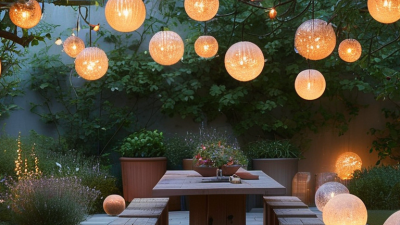
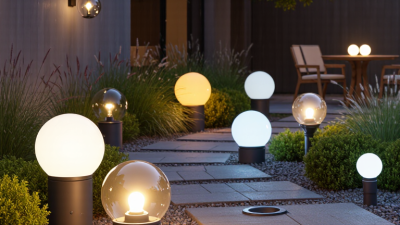
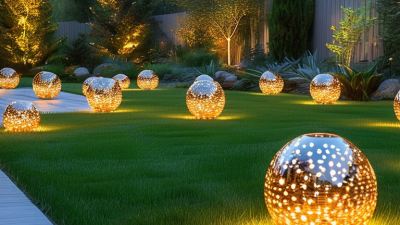
Choosing the best China Garden Globe Lights requires more than comparing attractive pictures and low prices. A glowing sphere may look charming online, yet its outdoor performance depends on materials, sealing, wiring, and light quality. In practical garden planning, I examine how each globe handles rain, dust, temperature changes, and repeated nighttime use. A warm 2700K to 3000K color temperature usually creates a softer atmosphere around paths, patios, and flower beds.
Details matter. Check the IP rating, cable length, power source, mounting method, and replacement-part availability. Solar models can reduce wiring, but their brightness may weaken after cloudy days or winter afternoons. Plug-in models often provide steadier illumination, although they need careful cable placement and a suitable outdoor connection. Frosted plastic may resist breakage better than glass, while glass can offer a more refined appearance. Neither option is perfect.
Reliable recommendations should compare manufacturer specifications, independent customer feedback, warranty terms, and applicable electrical safety guidance. Look for clear information about voltage, adapters, waterproofing, and installation limits. Do not trust impressive claims without testing details. Small defects can become obvious. A loose connector, uneven diffuser, or weak ground stake may spoil an otherwise beautiful display.
This guide explores the best China Garden Globe Lights for different gardens, budgets, and installation needs. It considers appearance, durability, brightness, energy use, and long-term value. Some products will impress immediately. Others may need patience, extra protection, or realistic expectations. That is worth remembering. There is no universal winner, only a better match for your space.
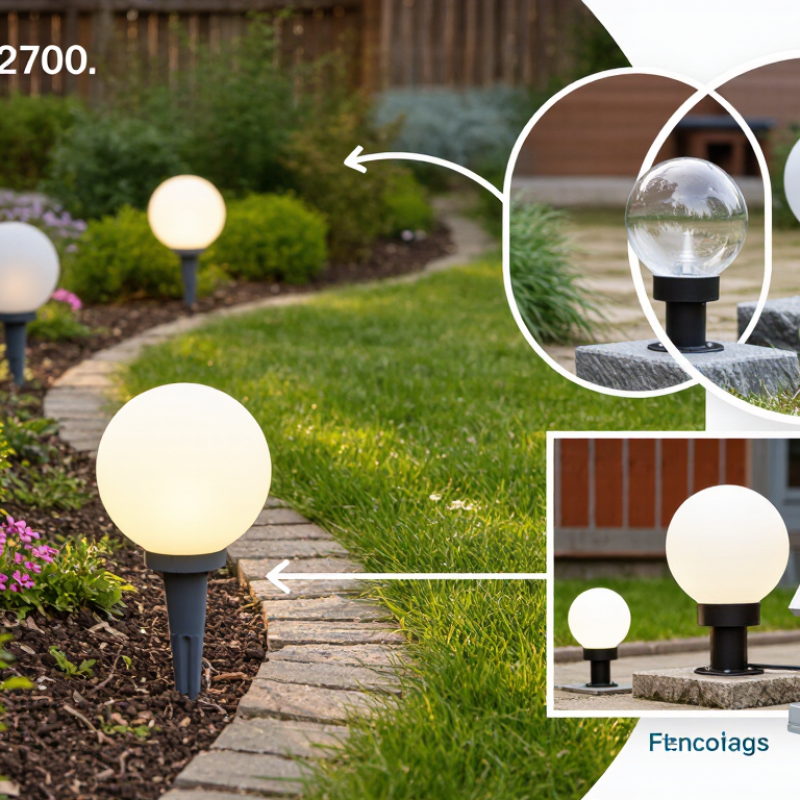
China garden globe lights are spherical outdoor luminaires used along paths, patios, lawns, and planting beds. “China” commonly refers to manufacturing origin, not a separate lighting technology. Their frosted acrylic or polycarbonate shell diffuses light from an internal LED module. This creates a soft, even glow and reduces harsh shadows. Inside, a driver controls current, while a solar panel, battery, or low-voltage cable supplies power.
Two operating systems are common. Solar globes charge during daylight and switch on through a light sensor. Wired versions use a low-voltage transformer and usually provide steadier brightness. The U.S. Department of Energy’s Energy Saver guidance states that LEDs use at least 75% less energy and last up to 25 times longer than incandescent lamps. The 2023 U.S. DOE Solid-State Lighting R&D Opportunities report also discusses laboratory LED packages exceeding 200 lumens per watt. That is not fixture performance. Diffusers, drivers, and heat reduce real output.
Placement changes the result dramatically. An IP65 rating indicates protection from dust and water jets, not immersion. A practical installation should keep connectors above soil and away from standing water. Warm white light, around 2700–3000K, usually suits plants and seating areas. Cooler light can make foliage look pale. Globe spacing also matters. Too close looks flat. Too far leaves dark gaps. Solar models may disappoint after cloudy days, especially in winter. Specification sheets often omit nighttime lumen performance after battery aging. That omission deserves attention.
Material should follow the garden’s climate, not only its appearance. Frosted glass creates a soft, moonlike glow beside stone paths and mature trees. However, it is heavier and may break during storms or installation. Polycarbonate is lighter and resists impact, making it practical for lawns, children’s areas, and busy courtyards. Acrylic offers clearer light, but lower-quality sheets can yellow after prolonged ultraviolet exposure.
For wet gardens, choose sealed fittings with an appropriate IP rating under IEC 60529. Stainless steel or powder-coated aluminum suits coastal and rainy locations better than untreated steel. Check drainage, cable protection, and connector quality carefully. Small details matter. A beautiful globe is useless when water collects inside its base.
Design also changes how a garden feels. Warm-white globes around 2700K to 3000K suit wooden decks, flower beds, and quiet seating areas. Cooler light can reveal foliage, but it may look harsh near natural stone.
The U.S. Department of Energy reports that LEDs use up to 75% less energy and last up to 25 times longer than incandescent lighting.
Solar globe lights reduce wiring work, though shaded gardens may deliver weak output after cloudy days. I once underestimated tree growth around a light; seasonal shadows made the installation less reliable. That mistake still matters. Choose adjustable spacing, replaceable components, and a design that can be serviced without removing the whole fixture.
What Are the Best China Garden Globe Lights?
Brightness should match the garden’s purpose, not simply the highest lumen figure. For pathways, moderate output prevents glare and keeps nearby plants visible. Dining areas need stronger, warmer light, usually around 2,700–3,000K. Compare lumen ratings from similar testing conditions. Some listings use optimistic numbers. I would also check light distribution, because a bright center can leave the edges dark.
Size changes both appearance and performance. Small globes suit narrow borders, while larger globes create a stronger focal point. Measure the installation area before ordering. A 20-centimeter globe may look balanced beside shrubs but oversized near small pots. Check spacing too. Closely placed lights can create visual clutter. My first choice was once based on appearance alone, and that was a mistake.
Power sources involve practical compromises. Solar models need direct sunlight and may dim after cloudy days. Battery models offer flexible placement but require regular replacement or charging. Low-voltage systems usually provide steadier brightness, though installation needs weather-safe connections. Durability deserves close attention. Look for outdoor-rated sealing, UV-resistant materials, corrosion-resistant fittings, and sturdy ground stakes. An IP rating helps, but it does not guarantee survival in every climate. Frost, standing water, and careless mowing can still cause damage. Check cable thickness and drainage details. Small details matter. A replaceable bulb or accessible battery compartment can extend useful life, even when the outer globe remains attractive.
How to compare brightness, size, power sources, and durability.
| Globe Light Type | Typical Globe Diameter | Weather Protection | Power Source |
|---|---|---|---|
| Solar LED | 20 cm | IP65 | Solar panel and rechargeable battery |
| Low-Voltage LED | 25 cm | IP67 | 12V outdoor transformer |
| Rechargeable LED | 20 cm | IP54 | USB-rechargeable battery |
The chart compares representative specification points for common garden globe light types. Low-voltage LED models generally provide the highest brightness and longest runtime, while solar lights offer simpler installation without outdoor wiring. When selecting a globe light, also check the diameter for visual balance and choose an IP65 or higher rating for reliable outdoor protection.
When choosing China garden globe lights, I check safety details before brightness or decorative shape. In practical installations, the cable entry is often the weak point. Look for an IP rating tested under IEC 60529.
Fully exposed globes usually deserve IP65 or better. IP ratings do not prove UV durability, however. The housing should also state UV-resistant materials and a suitable outdoor temperature range.
Electrical protection needs equal attention. The NFPA Home Structure Fires report for 2016–2020 recorded about 35,150 home fires annually involving electrical distribution and lighting equipment. That figure covers many products, not only garden lights, but it shows why small installations still need care.
Choose low-voltage globe lights with a certified transformer, sealed connectors, strain relief, and outdoor-rated cable. Use a residual-current or ground-fault protection device where local practice requires it. Never hide a connector under wet soil.
I also inspect the globe for cracks, loose sockets, and trapped condensation after rain. A tiny defect can grow. The U.S. Department of Energy reports that LEDs use at least 75% less energy than incandescent lighting and last much longer, yet energy savings cannot compensate for poor sealing.
Certification from an accredited safety laboratory improves reliability, but it is not a substitute for installation checks. Manufacturers sometimes provide vague “waterproof” wording. I would treat that claim cautiously unless the test standard and IP rating are clearly printed.
I have installed garden globe lights around lawns, paths, and small patios. Before digging, I inspect the area for drainage, roots, sprinklers, and underground cables. Choose outdoor-rated globes with sealed sockets and weather-resistant housings. Low-voltage systems are often easier for garden projects, but a qualified electrician should check the transformer and connections. Globe spacing matters. Leave enough room for mowing and pruning.
Mark each position with a small stake before installation. Set the globes on stable bases, then bury cables at the depth required by local electrical rules. Keep connectors above wet soil, inside approved waterproof covers. I once placed a light too close to a sprinkler head, and moisture entered the fitting. Moving it later was avoidable work. Test every lamp before covering the cable.
Maintenance should follow the seasons. Wipe dust, pollen, and water marks from the globes with a soft damp cloth. Do not use abrasive cleaners. Check for cracked covers, loose mounts, exposed wires, and flickering lamps after storms. Trim nearby branches so they do not scrape the surface. In winter, frozen soil can shift shallow bases. I prefer checking alignment each spring, although I sometimes miss one hidden behind shrubs. Replace damaged parts promptly, and switch off power before any inspection.
| Light Type | Typical Globe Diameter | Power Source | Typical Power | Light Color | Recommended Protection | Best Application | Installation Method | Maintenance Requirement |
|---|---|---|---|---|---|---|---|---|
| Solar LED Globe Light | 15–30 cm | Rechargeable solar battery | 0.5–3 W per globe | Warm white, 2,700–3,000 K | IP44 minimum; IP65 preferred for exposed areas | Pathways, lawns, flower beds, and decorative borders | Insert the ground stake into firm soil and position the solar panel in direct sunlight | Clean the panel monthly; replace the rechargeable battery approximately every 1–3 years |
| Low-Voltage Wired Globe Light | 20–40 cm | 12 V or 24 V transformer system | 1–7 W per globe | Warm white, neutral white, or color-changing | IP65 or higher for outdoor fixtures | Driveways, patios, decks, garden seating areas, and permanent landscape lighting | Connect the cable to a compatible outdoor transformer and bury or protect cables according to local requirements | Inspect cable connections each season; remove dirt from the globe and check for water ingress |
| Plug-In LED Globe Light | 15–35 cm | Outdoor mains power | 3–12 W per globe | Warm white or neutral white | IP44 minimum under cover; IP65 for open exposure | Balconies, covered patios, pergolas, and temporary garden events | Use an outdoor-rated socket, keep connectors off the ground, and secure the cable against trip hazards | Check plugs and cables before use; unplug during severe storms or extended periods of non-use |
| Rechargeable Portable Globe Light | 15–35 cm | Built-in lithium-ion or nickel-metal hydride battery | 1–8 W per globe | Warm white, neutral white, or RGB | IP54 minimum; IP65 preferred for regular outdoor use | Dining tables, balconies, outdoor parties, and flexible decorative lighting | Place on a stable surface or use the supplied hanging hardware; charge indoors unless the charger is outdoor-rated | Recharge according to the instructions; keep the charging port dry and clean the diffuser with a soft cloth |
| Hanging Globe String Light | 5–15 cm per globe | Solar, low-voltage, or outdoor mains power | 0.3–2 W per globe | Warm white, 2,700–3,000 K | IP44 minimum; IP65 is better for uncovered installations | Pergolas, fences, balconies, trees, and garden entertaining areas | Attach the support cable or clips to strong fixing points and avoid hanging the full load from electrical wires | Tighten fixing points periodically; check for cracked globes, damaged insulation, and loose connectors |