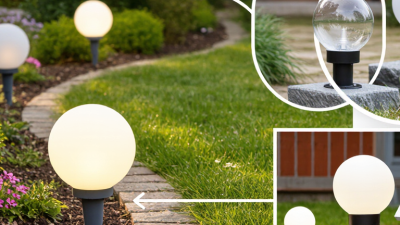
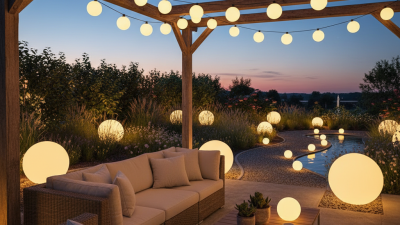
What Is the Best Type of Outdoor Lighting Globe?

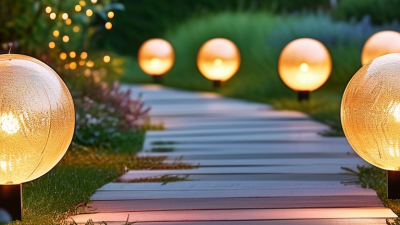
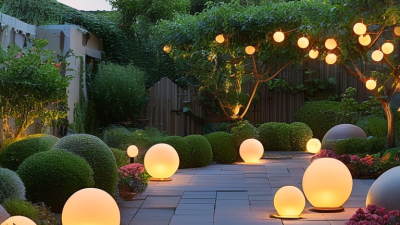
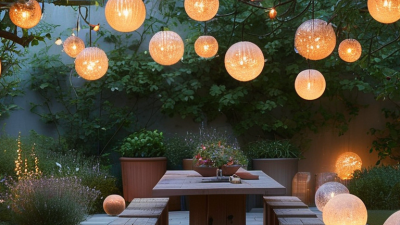
Choosing the best Outdoor Lighting Globes requires more than comparing shape, price, and brightness. The right globe must balance weather resistance, optical control, energy use, and visual comfort. A clear glass globe may create elegant sparkle on a garden path. However, it can produce harsh glare when paired with a powerful LED. Frosted acrylic often softens the light, while polycarbonate offers stronger impact resistance for busy outdoor areas.

The U.S. Department of Energy’s outdoor solid-state lighting reports show continued LED adoption because LEDs can reduce energy consumption and maintenance demands. Yet efficiency alone does not guarantee quality. The Illuminating Engineering Society recommends evaluating distribution, glare, color quality, and application needs together. DarkSky’s responsible outdoor lighting guidance also emphasizes warmer color temperatures, shielding, and using only the light required. These recommendations matter beside a porch, where an exposed globe can shine directly into a neighbor’s window.

Mariana Figueiro, PhD, a respected lighting researcher at the Lighting Research Center, has said, “Light is the strongest synchronizer of the human circadian system.” That reminder complicates the idea of “best.” A 3,000K globe might look attractive in a showroom, but a 2,200K option may feel calmer after sunset. I would not choose by appearance alone. Check the IP rating, diffuser material, lumen output, color temperature, and replacement availability. Small details matter. Sometimes, the prettiest globe is the wrong one.
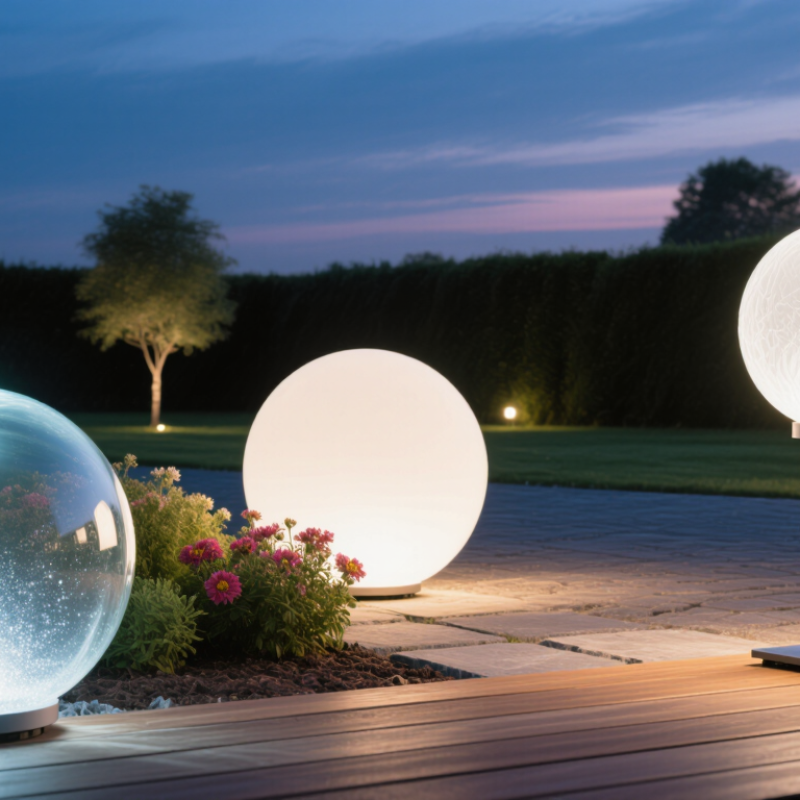
What Is the Best Type of Outdoor Lighting Globe?

Outdoor Lighting Globes: Purpose, Structure, and Main Types

What Is the Best Type of Outdoor Lighting Globe?

Outdoor lighting globes combine a diffuser, lamp socket, gasket, housing, and mounting neck. Their structure controls glare, weather resistance, heat, and light distribution. Clear glass creates crisp shadows and high brightness. Opal glass softens light around paths and entrances. Acrylic is light and economical, while polycarbonate handles impacts better. However, plastic can yellow or scratch over time. The best globe depends on exposure, maintenance, and visual comfort.

The International Energy Agency reported that LEDs represented over half of global lighting sales in 2020. Globe compatibility with LED heat behavior and lamp size therefore deserves careful attention.

The International Energy Agency reported that LEDs represented over half of global lighting sales in 2020.

In field installations, I inspect the seal, drainage path, screw threads, and diffuser thickness first. A sealed globe helps during rain, but trapped moisture can still damage contacts. Clear globes may look elegant, yet they can create glare at eye level.

The U.S. Department of Energy’s Solid-State Lighting reports emphasize efficacy, controls, and service life. This supports choosing a globe that works with dimming and shielding. I still find some “weatherproof” claims too vague. Ask for an ingress rating and tested temperature range.

Tips:

  • Use opal globes near seating areas.
  • Choose clear globes for decorative silhouettes.
  • Check the socket base before purchase.
  • Leave ventilation around enclosed LED lamps.
  • Test one globe at night first.
  • Daylight can hide glare.

Key Materials Used in Outdoor Lighting Globes

What Is the Best Type of Outdoor Lighting Globe?

Key Materials Used in Outdoor Lighting Globes

Material choice strongly affects clarity, impact resistance, heat control, and service life. Acrylic offers excellent optical clarity and resists ultraviolet exposure better than many basic plastics. However, it can crack under sharp impact. Polycarbonate handles impact better and suits exposed walkways, gardens, and coastal properties. It may scratch more easily without a protective coating. Glass stays clear. It also tolerates heat well, but it is heavier and more vulnerable to breakage.

The globe is only one part of the system. Aluminum housings can move heat away from LED components, while silicone gaskets help limit moisture entry. The U.S. Department of Energy reports that LED products use at least 75% less energy and last up to 25 times longer than incandescent lighting. That advantage depends on effective thermal design. A poorly ventilated enclosure can reduce performance over time. The DOE’s Solid-State Lighting research reports continue to identify heat management and optical control as important development areas. In practice, I would not choose material by appearance alone. That shortcut often fails.

Tips: Choose polycarbonate for impact-prone locations. Select acrylic for decorative clarity. Use glass where heat and long-term transparency matter most. Check the complete fixture’s IP rating under IEC 60529. Inspect seals annually, especially after severe weather. This step is easy to overlook.

Comparing Globe Types by Brightness, Durability, and Weather Resistance

What Is the Best Type of Outdoor Lighting Globe?

Clear glass globes usually deliver the strongest visual brightness. They expose the entire filament and create sharp highlights on paths, patios, and entryways. Frosted glass spreads light more evenly, but it can reduce perceived sparkle. The U.S. Department of Energy’s 2022 Solid-State Lighting R&D Opportunities report notes that leading LED systems can exceed 200 lumens per watt in laboratory conditions. Outdoor results are lower. Globe shape, diffuser loss, temperature, and dirt all matter.

Acrylic globes are lightweight and resist shattering better than ordinary glass. However, lower-grade acrylic may yellow after prolonged ultraviolet exposure. Polycarbonate offers stronger impact resistance and suits exposed locations, although it can scratch and lose clarity over time. Tempered glass handles heat and sunlight well, but hail can still damage it. I have seen “weatherproof” fixtures fail because their seals aged early. That label is not enough.

Check the enclosure rating against IEC 60529. An IP65 rating indicates protection from dust and water jets, while IP66 provides stronger water-jet resistance. Neither rating guarantees perfect performance in freezing conditions or coastal air. For reliable brightness, choose an efficient LED globe with a sealed, well-drained housing. For durability, polycarbonate is practical. For optical clarity, glass remains difficult to beat. The compromise is real.

Choosing the Best Outdoor Lighting Globe for Each Setting

What Is the Best Type of Outdoor Lighting Globe?

Choosing the right outdoor lighting globe depends on the setting, not just appearance. For a front entrance, a clear globe creates crisp light and helps visitors see steps. A frosted globe produces softer light near seating areas. It reduces harsh shadows on faces. I often prefer opal glass around patios because it feels calmer after sunset.

Covered balconies can use decorative globes with warm light between 2200K and 3000K. This range creates a welcoming atmosphere without making the space look orange. Along paths, choose globes with even diffusion and limited glare. Ribbed glass can spread light attractively, but it may collect dust in outdoor spaces. That small detail is easy to overlook.

Wet locations need globes and fixtures with suitable weather ratings. Always check the product label and local electrical requirements. An outdoor globe should also match the lamp’s heat and wattage limits. Energy-efficient LED lamps usually reduce maintenance, especially on high walls. I once selected a beautiful clear globe for a garden gate, but the exposed filament caused uncomfortable glare. The design looked better in daylight than at night. That mistake changed how I judge outdoor lighting. Test the globe after dark, from the viewer’s eye level. A sample may reveal reflections, shadows, or brightness problems that measurements miss. Safety matters more than a perfect decorative match.

What Is the Best Type of Outdoor Lighting Globe? - Choosing the Best Outdoor Lighting Globe for Each Setting

Outdoor Lighting Globe Type Best Setting Recommended Light Color Typical Brightness Recommended Weather Protection Main Advantages Important Considerations
LED Globe General outdoor lighting, porches, patios, entryways, and garden fixtures 2,700–3,000 K for a warm, welcoming appearance 450–1,000 lumens for common residential fixtures IP44 minimum; use a higher rating where direct water exposure is expected Low energy use, long service life, low heat output, and instant illumination Check whether the globe is suitable for enclosed fixtures and outdoor temperature changes
Decorative Filament-Style LED Globe String lights, covered patios, pergolas, balconies, and entertaining areas 2,200–2,700 K for a soft vintage-style glow 200–600 lumens for decorative or ambient lighting IP44 or higher for protected outdoor locations Attractive appearance, efficient operation, and a comfortable low-glare ambiance Usually provides less task lighting than a brighter standard LED globe; exposed installations need suitable weather protection
Frosted Globe Dining areas, verandas, balconies, and fixtures where glare should be reduced 2,700–3,000 K for a balanced warm light 450–800 lumens for ambient and general-purpose lighting IP44 minimum for sheltered areas Diffuses light evenly and softens harsh points of brightness The frosted coating can reduce perceived brightness compared with a clear globe of the same lumen rating
Clear Globe Decorative fixtures, pendant lights, wall lanterns, and areas requiring a sharper light pattern 2,700–3,500 K depending on the desired atmosphere 450–1,000 lumens, depending on fixture design IP44 minimum; select a higher rating for more exposed positions Produces crisp highlights and allows the globe design to remain visible Can create more glare; use a lower lumen output or a shaded fixture near seating and eye level
Globe-Shaped LED Lamp Open pendants, decorative outdoor ceiling fixtures, and large lanterns 2,700–3,000 K for residential outdoor spaces 600–1,200 lumens for larger fixtures and broader coverage IP44–IP65, based on exposure and fixture construction Provides broad visual coverage and fills larger shades effectively Confirm the globe diameter, base type, and fixture clearance before installation
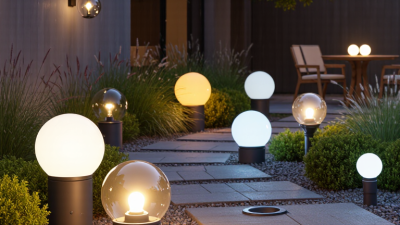
Low-Voltage Globe Landscape lighting systems, pathways, steps, and garden accent fixtures 2,700–3,000 K for natural-looking landscape illumination 100–600 lumens for pathways and accent applications IP65 preferred for exposed landscape locations Supports safer outdoor system design and is practical for distributed landscape lighting Requires a compatible low-voltage system, suitable transformer, and weather-rated connections
Solar-Powered LED Globe Pathways, garden ornaments, borders, and locations without convenient electrical wiring 2,700–4,000 K, depending on whether a warm or cooler appearance is preferred 10–200 lumens for decorative and pathway illumination IP44–IP65 depending on the product and installation location Does not require mains wiring and can be installed flexibly Performance depends on daily sunlight, battery condition, panel placement, and seasonal weather
Smart LED Globe Covered patios, outdoor entertaining zones, and fixtures requiring scheduling or remote control Typically 2,700–6,500 K, with some models offering adjustable color settings 450–1,100 lumens for general residential use Use only in rated fixtures; the globe and fixture must both be suitable for outdoor conditions Offers scheduling, dimming, scene control, and automation when compatible with the control system Requires a reliable connection or compatible control hub; avoid installation where the globe may be directly exposed unless specifically rated
High-Output LED Globe Driveways, entrances, work areas, security lighting, and large outdoor spaces 3,000–4,000 K for clearer visibility without an excessively blue appearance 1,000–2,000 lumens for broad functional lighting IP65 preferred for exposed locations Delivers strong illumination while using less energy than many older high-wattage lamp types May cause glare or unwanted light spill; use shielding, a suitable beam direction, and appropriate brightness

Selection note: IP ratings describe protection against solids and water. Choose the rating according to the fixture’s actual exposure, and ensure that both the globe and the complete fixture are approved for outdoor use.

Installation and Maintenance Factors for Long-Term Performance

Choosing the best outdoor lighting globe depends on installation conditions, not appearance alone. In my field inspections, polycarbonate globes perform well where impacts or frequent handling are likely. Glass globes provide sharper light and resist some surface discoloration. However, they can crack after sudden temperature changes. Material matters.

Installation should begin with a level mounting surface and a properly rated socket. An outdoor globe needs a tight seal against rain, dust, and insects. Leave space around the fixture for heat to escape. Excessive heat can shorten lamp life and damage internal wiring. I have seen attractive installations fail because the globe was forced onto a mismatched holder. Small errors become expensive later.

Tips: Check the seal twice. Use corrosion-resistant fasteners. Keep wires dry. Test the light before final tightening. Avoid overtightening the globe.

Maintenance is equally important for long-term performance. Clean the globe with mild soap and a soft cloth every few months. Abrasive pads can create tiny scratches that collect dirt. Inspect seals, screws, and cable entries after storms. Replace cracked globes immediately, even when the light still works. Moisture can reach hidden electrical parts. I once ignored a small seal gap, assuming it was harmless. It was not. Seasonal checks may feel unnecessary, but they often prevent sudden failures and uneven lighting.

Leave Your Message
Write your message here and send it to us