How to Choose Decorative Garden Globes for Your Garden?
Choosing Decorative Garden Globes requires more than matching colors with nearby flowers. The right globe should respond to sunlight, rainfall, wind, soil moisture, and the garden’s viewing distance. A mirrored glass globe may brighten a shaded border, while a matte ceramic sphere can anchor gravel, lavender, or clipped shrubs. Measure the planting area first. Small mistakes become obvious.
Industry reports support this growing focus on outdoor atmosphere. The Garden Media Group’s 2024 Garden Trends Report highlights wellness, nature connection, and emotionally restorative outdoor spaces. Houzz’s 2024 U.S. Outdoor Trends Study also records continued homeowner investment in usable, attractive exterior areas. These findings do not prove that every garden needs a globe. They do show why decorative details increasingly influence outdoor design decisions.
Landscape architect Thomas Rainer offers a useful principle in Planting in a Post-Wild World: “A designed plant community is not a collection of individual plants.” That idea applies directly here. Decorative Garden Globes should cooperate with plants, paths, walls, and changing light, rather than compete with them. Choose UV-resistant finishes, stable bases, and materials suited to local winters. Check whether reflected sunlight could glare into windows or dry nearby leaves.
There is no perfect choice. A beautiful globe can still look misplaced. Reflective glass can reveal fingerprints, fallen leaves, and uneven placement. That is part of the decision. Observe the garden at morning, noon, and dusk before buying. The most reliable selection usually feels quiet, balanced, and intentionally imperfect.
Understanding Decorative Garden Globes and Their Main Types
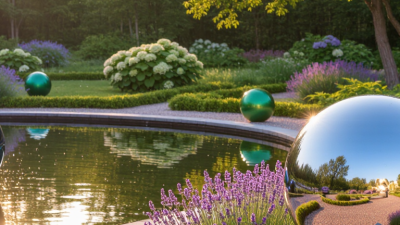
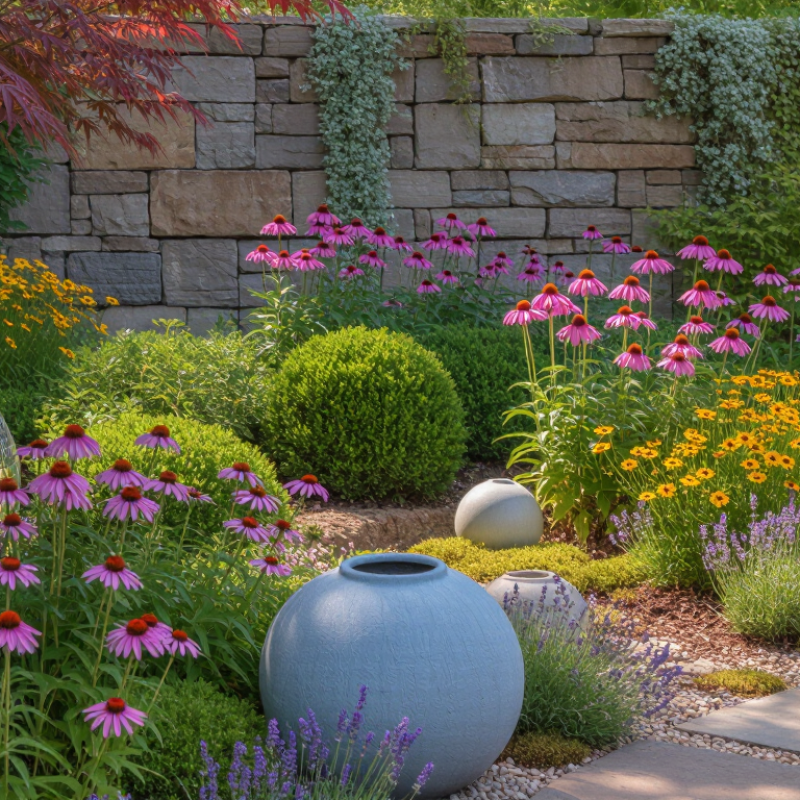
Decorative garden globes are reflective or sculptural spheres designed to add light, color, and visual focus outdoors. Their main types include mirrored gazing globes, frosted glass globes, ceramic spheres, metal globes, and solar-lit models. Mirrored surfaces reflect flowers and sky, while frosted finishes create a softer effect near shaded paths. Ceramic and metal versions usually offer stronger resistance to scratches and weather.
Scale matters more than many buyers expect. A 20-centimeter globe can disappear beside tall shrubs, while a 40-centimeter sphere may dominate a narrow border. The 2023 National Gardening Association survey reported that 80% of U.S. households participated in gardening or plant care. This wider interest makes adaptable decoration useful, especially for small urban gardens. Place one globe near eye level, not hidden beneath dense foliage. A stable base is essential on windy patios.
In practice, I check the globe’s finish at midday and after rain. Cheap mirror coatings can show spotting quickly. Solar-lit types need several hours of direct sun, although cloudy seasons may reduce performance. The American Society of Landscape Architects’ 2023 residential trends survey identified outdoor lighting as a frequently requested landscape feature. That supports choosing illumination for pathways, but brightness should remain gentle. I once selected a beautiful polished sphere that reflected harsh afternoon glare. It looked wrong. Reflective direction deserves attention, too.
Choosing Suitable Globe Materials, Sizes, Colors, and Finishes
How to Choose Decorative Garden Globes for Your Garden?
Material affects both appearance and service life. Glass globes catch sunlight beautifully, but they can break during storms or sudden temperature changes. Ceramic offers a handcrafted look and suits sheltered patios. Metal globes are durable, though untreated surfaces may rust in damp gardens. Weather-resistant resin is lighter and easier to move. I prefer materials with sealed openings and clear outdoor-use ratings.
Size should relate to the planting area, not only the globe itself. A 20-centimeter globe can disappear beside tall shrubs. A 40-centimeter globe may dominate a narrow path. Measure the surrounding space before buying. Leave enough room for mowing, watering, and walking. I once placed a large globe near a rose border, and its reflection looked attractive until the thorns made maintenance awkward.
Color should support the garden’s existing tones. Silver and pale blue reflect light in shaded corners. Bronze, brown, and dark green blend with soil, bark, and evergreen foliage. Bright colors create a focal point, but too many competing shades can feel restless. Finishes also change the effect. Polished surfaces provide sharp reflections, while frosted, hammered, or matte finishes create softer texture. Check the globe at different times of day. Some finishes look excellent online but appear dull under cloudy skies. Reflective globes may also attract birds, so placement deserves careful observation. I still misjudge this occasionally. Gardening leaves room for revision.
How to Choose Decorative Garden Globes for Your Garden?
Choosing Suitable Globe Materials, Sizes, Colors, and Finishes
The chart compares common decorative garden globe materials using a practical 1–5 suitability score. Higher scores indicate better performance for the listed selection factor. Glass offers strong color and finish variety, ceramic provides a traditional appearance, stainless steel delivers excellent weather resistance, and resin or fiberglass combines low weight with easy maintenance.
For small gardens, choose globes around 15–25 cm wide. Medium gardens typically suit 25–40 cm globes, while globes over 40 cm work best as focal points in spacious areas. Match reflective finishes with modern landscapes and matte or glazed finishes with natural or cottage-style gardens.
Planning Placement for Balance, Visibility, and Garden Safety
Decorative garden globes can add gentle color, reflection, and structure to an outdoor space. Their placement matters more than their size. I usually view the garden from several angles before choosing a position. A globe near a path can guide the eye toward a seating area or flowering border. However, too many reflective objects may make the space feel busy. Balance often comes from uneven spacing, not perfect symmetry.
Consider visibility throughout the day.
Morning shadows can hide a globe behind shrubs, while strong afternoon sunlight may create distracting glare. Place each piece where its surface catches soft light without reflecting directly into windows or visitors’ eyes. A stable, level base is essential. Loose soil, wet grass, and sloping ground can increase the chance of tipping. I once positioned a globe beside a frequently used path, then noticed how often people brushed past it. The location looked attractive, but it was not practical.
Keep clear walking space around every globe, especially near steps, gates, and children’s play areas. Avoid placing fragile decorations beneath unstable branches or where lawn equipment may strike them.
Check the position after rain, pruning, and seasonal growth. Plants can quickly hide an object or narrow a pathway. Leave room for maintenance. A slightly less dramatic location may be safer and easier to enjoy.
Reconsider the arrangement after living with it for a week. Your first plan may not be the best one.
Maintaining Decorative Garden Globes Through Every Season
Choose decorative garden globes with seasonal maintenance in mind. Glass creates bright reflections, but it needs careful winter storage. Powder-coated metal tolerates weather better, although scratched surfaces can rust. Stone is stable, yet porous finishes may absorb moisture. My earlier mistake was leaving a hollow glass globe outside during a late frost. Water entered through a small opening and split the globe.
In spring, inspect rims, seams, and hanging hardware before placing globes near pathways. Wash them with lukewarm water and mild soap, then dry them fully. Avoid abrasive pads, which can create fine scratches. During summer, rotate reflective globes occasionally. This reduces uneven fading and reveals hidden dirt. The U.S. Environmental Protection Agency reports that landscape irrigation uses nearly 9 billion gallons daily, with up to 50% potentially lost through evaporation and runoff. Use a damp cloth instead of a running hose.
Autumn maintenance deserves attention. Remove trapped leaves, check drainage holes, and empty water-filled ornaments before temperatures fall. Water expands by about 9% when frozen, enough to crack fragile materials. The USDA Plant Hardiness Zone Map, updated in 2023 from 1991–2020 temperature data, helps estimate local cold exposure. Still, microclimates can mislead. A sheltered wall may stay warmer than an open lawn. Store delicate globes indoors, wrapped separately, and keep metal pieces elevated from wet soil. I sometimes overprotect durable ornaments, but checking them after storms remains worthwhile.