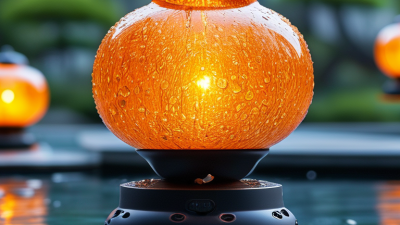
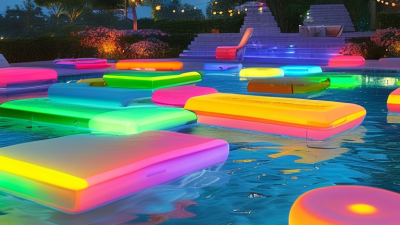
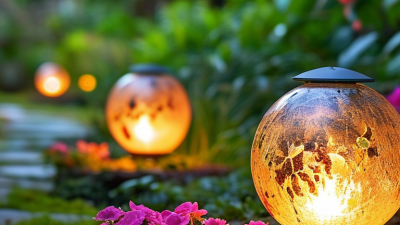
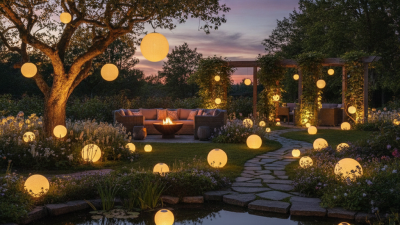
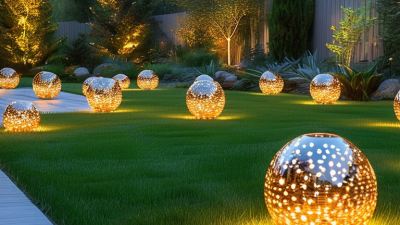
A Floating Light Ball can turn a dark pool or garden into a softer, more inviting space. Some models glow steadily, while others shift through colors or respond to a remote. The difference is easy to notice beside still water, where a gentle glow reflects across the surface. In a garden, warm-toned lights can mark a path or brighten a quiet corner without taking up much room.
Looks matter. So does build quality. Before choosing one, check whether the ball is designed for pool use or only for dry outdoor settings. Look for clear information about water resistance, charging or battery life, and how the light is controlled. A product described as waterproof may still have limits, so its instructions deserve a close read. Also consider size: a small ball can disappear in a large pool, while an oversized one may feel out of place in a compact pond.
This guide explores seven floating light balls for pools and gardens, with attention to practical details such as brightness, operating time, charging, and ease of use. No single option suits every setting. Wind, water movement, sunlight, and storage habits can all affect performance, and product descriptions do not always make those limits obvious. That part is worth questioning. Use the comparisons to narrow your choices, then confirm the latest specifications and care guidance before buying.
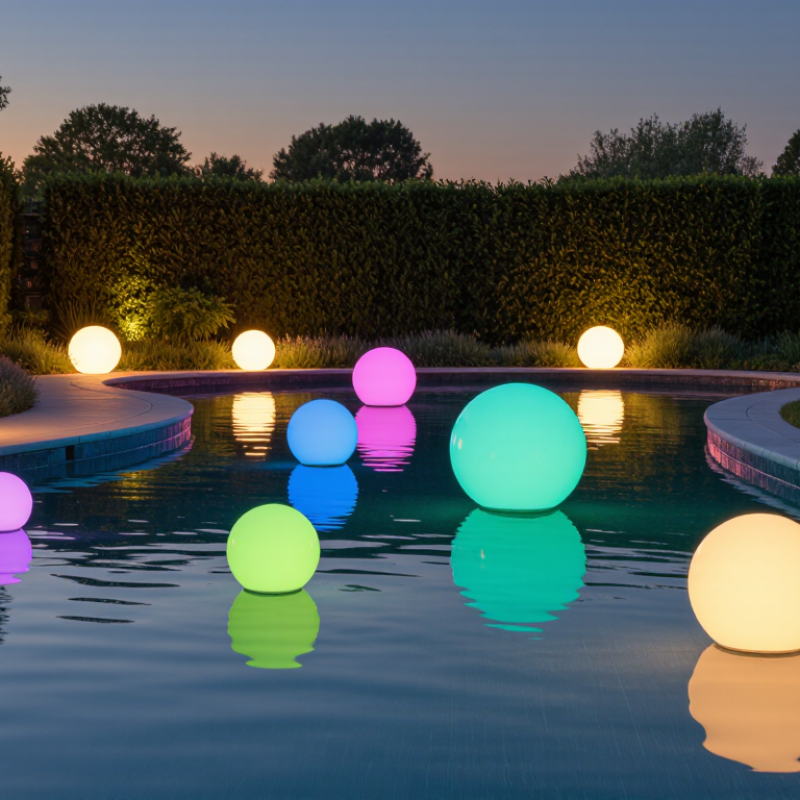
Floating light balls are buoyant, sealed lighting devices designed to rest on water or sit among garden plants. In a pool, their rounded shells float while small LED lights glow through translucent plastic or silicone. The effect is gentle: a soft pool of color, not a strong beam for seeing underwater.
Inside, a battery powers the LEDs. Some models use solar cells that collect daylight and recharge an internal battery; others need manual charging or replaceable batteries. A switch, light sensor, or remote control may manage the glow. Their sealed casing helps keep water away from the electronics, but seals can wear over time. Even well-made lights need inspection. A cloudy lens or a loose cap can reduce brightness, and floating lights are decorative, not safety lighting.
Tips: Check the product’s stated water-use rating before placing it in a pool. Close charging ports firmly, and look for cracks or condensation after use. Solar versions need direct daylight to charge well; shade can leave them dim by evening. Remove lights before swimming if they drift into the way. Small details matter. One ball may also shine less brightly than product photos suggest, so testing a single light first can be sensible.
A floating light ball should stay stable, glow evenly, and remain easy to retrieve. In pools, a sealed body and a clearly stated submersion rating matter more than vague “water-resistant” claims. IEC 60529 defines IP protection ratings, but an IP rating alone does not confirm how long a light will run underwater. Check the product’s specified use and charging instructions. Small details matter. Look for smooth, durable surfaces that are easy to rinse, plus controls you can use without removing the ball from the water.
For gardens, consider whether the light is solar-powered or rechargeable, how many hours it runs, and whether its glow suits nearby plants and seating. A soft diffuser can reduce harsh glare across a patio; a heavier ball may sit more steadily on a pond. The U.S. Department of Energy’s LED Lighting factsheet reports that LEDs use at least 75% less energy and last up to 25 times longer than incandescent bulbs. Those figures compare lighting technologies, not floating pool products, so treat them as context rather than a runtime guarantee. Check the stated battery capacity and test the light after charging. Not a safety device. Keep floating lights clear of pool ladders and other equipment, and never rely on them to make swimmers visible.
Floating light balls usually use solar power, replaceable batteries, or rechargeable cells. Solar models gather energy during the day and glow after dusk. Their brightness can vary with cloud cover and season. A dim evening is possible.
Battery-powered balls offer more predictable light, especially for short gatherings. Rechargeable versions reduce the need for disposable cells, but check charging instructions and keep ports sealed. Warm-white LEDs create a gentle poolside shimmer. Cool white looks brighter and crisper, though it may feel stark against plants or timber. Soft, not dramatic.
Color-changing balls shift through several hues, often using slow fades or fixed settings. They can add playful color to a garden pond, but rapid cycling may compete with other outdoor lighting. Frosted shells spread light evenly, while clear or faceted surfaces create sharper reflections on moving water. Small details matter: a textured shell can soften glare, but may also collect dirt. For pools, confirm that a light is designed for floating water use, and follow its care instructions. Decorative lights are not a substitute for proper pool lighting. I would test one after dark before buying several; product photos rarely show how colors look against your own water and surroundings.
Choosing a floating light ball starts with where it will be used. A pool needs a model explicitly rated for floating or submerged use; a garden pond may need less water protection. Check the product’s stated rating rather than relying on phrases like “water-resistant.”
Pool chemicals and sunlight can wear down materials over time. Look for a sealed body, smooth edges, and a stable shape that will not tip easily in light waves.
Brightness should suit the setting. A soft glow works well beside a quiet patio, while brighter light can help define a larger pool. Color-changing effects look lively, but a steady white setting is often easier on the eyes. Check the listed battery life, charging method, and recharge time.
Small details matter. If charging requires a removable plug, make sure it can be fully dried before reconnecting. Test it first. Let the ball float for a short period and watch for drifting, dimming, or water inside the housing.
I’ve found that a light can look perfect in a product photo yet feel too bright at night. Choose one you can return or exchange if the real glow does not suit your space.
Floating light balls can soften the look of a pool edge or garden pond after dusk. Place them where water moves gently, away from skimmers, steps, and narrow swimming lanes. A drifting ball can become an obstruction near a ladder. In a garden, use a shallow basin or stable water feature, not a windy ledge. Check the product instructions for water exposure and charging requirements; not every decorative light is designed for continuous submersion.
Safety comes before the glow. Keep charging cables and electrical connections well away from water, and use equipment rated for outdoor conditions. Inspect each ball for cracks, loose seams, or moisture inside before use. Remove damaged lights promptly. Supervise young children, who may mistake lightweight spheres for toys. The shells can look sturdy, but repeated knocks may weaken them over time.
Tips: Rinse away sunscreen, leaves, and mineral residue with fresh water, then dry charging contacts completely. Store the lights indoors during storms, freezing weather, or long periods of non-use. Test one ball for an evening before arranging several around the pool. Its brightness may look different on water than indoors, and spacing is easy to misjudge. Leave room for pool cleaning, and check the lights weekly for wear.
| Light-ball type | Best suited for | Placement tips | Power and expected use | Safety and care |
|---|---|---|---|---|
| 1. Rechargeable LED floating orb | Regular evening use in pools or ornamental ponds | Float in an open area away from steps, drains, and swimming lanes. Remove it before swimming if it could obstruct movement. | Rechargeable battery; operating time varies by brightness, battery capacity, and model. | Use only a model explicitly rated for floating or submersion. Charge indoors with the charging port dry, and inspect seals for damage before use. |
| 2. Solar floating orb | Ponds and calm garden water features with strong daytime sun | Place where the solar panel receives several hours of direct sunlight; avoid shaded areas and moving water that may carry it away. | Solar-charged battery; nighttime runtime depends on sunlight, battery condition, and lighting mode. | Follow the maker’s water-depth limits. Clean the solar panel with a soft damp cloth and bring the unit in during freezing weather unless it is rated for those conditions. |
| 3. Replaceable-battery floating orb | Occasional use where recharging is inconvenient | Use in a contained pool or pond, and keep the battery compartment accessible for inspection and replacement. | Replaceable batteries; runtime varies with battery type, temperature, and brightness setting. | Check that the battery compartment has an intact waterproof seal. Keep batteries away from children and dispose of used batteries according to local rules. |
| 4. Remote-controlled color-changing orb | Decorative poolside lighting and garden gatherings | Keep the remote dry and point it toward the light when changing settings. Test reception from the intended viewing area. | Usually battery-powered or rechargeable; color effects and brighter settings can shorten runtime. | Confirm the light itself—not just the remote—is suitable for the intended water exposure. Do not open or recharge it while wet. |
| 5. Warm-white diffuser orb | Quiet garden ponds, patios, and softly lit water features | Position near plants or a pond edge for gentle reflected light, while keeping it clear of sharp stones and dense vegetation. | LED output is typically designed for accent lighting rather than illuminating an entire pool or garden. | Use a soft cloth for cleaning. Avoid abrasive cleaners that can scratch the diffuser and reduce light quality. |
| 6. Large floating orb | Visible accent lighting in broad ponds or spacious pools | Allow enough clearance from walls, skimmers, and other floating objects. Secure it only as directed if wind or water movement may carry it away. | Its larger size can make it more noticeable, but brightness and runtime depend on the individual light and power source. | Check that its size and buoyancy suit the water feature. Do not treat a floating decorative light as a rescue or safety device. |
| 7. Small floating orb set | Grouping in small ponds, basins, or garden water features | Space the lights apart for an even effect; keep them away from pumps, narrow outlets, and areas where they could bunch together. | Individual lights may use small batteries or built-in rechargeable cells; check each unit’s charging and runtime details. | Count and retrieve all lights after use. Store them dry and indoors when not in use, especially during cold or stormy weather. |
Selection note: These are general product types, not specific models. Water-resistance ratings and permitted immersion depth vary; check the product label and instructions for the intended use. Keep lights clear of swimmers, and switch off or remove any unit with a cracked housing, damaged seal, or exposed wiring.