China Top Floating Light Ball Supplier for Global Buyers?

Choosing a China Floating Light Ball supplier requires more than comparing prices or browsing polished product photos. Global buyers need dependable illumination, safe materials, stable buoyancy, and consistent production quality. A well-made Floating Light Ball should glow evenly across a pool, garden, event venue, or outdoor installation. Its shell should resist moisture, while its charging system should perform reliably after repeated use.

Lighting designer Jonathan Speirs has often expressed a powerful principle: “Light is the raw material of architecture.” This idea applies strongly to floating products. The light must shape the atmosphere without creating harsh glare or distracting reflections. Buyers should examine LED brightness, battery duration, charging time, waterproof protection, remote control range, and material thickness. Factory samples matter. Certifications and test reports matter more.

Experienced sourcing also reveals uncomfortable details. A low quotation may hide weak batteries, inconsistent colors, or fragile seals. No supplier is perfect. Even experienced factories can miss a small quality issue during busy seasons. That is why responsible buyers should request samples, confirm inspection procedures, and define acceptable defect levels before placing a large order. They should also review customization capacity, packaging strength, production lead times, and after-sales communication. China remains a major manufacturing base for lighting products, but supplier selection still demands careful verification. The right partner combines engineering experience, transparent documentation, responsive service, and realistic promises. Beautiful water deserves reliable light.
China Top Floating Light Ball Supplier for Global Buyers?

What Is a Floating Light Ball?

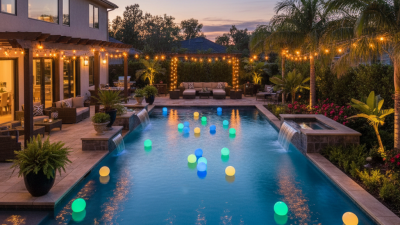
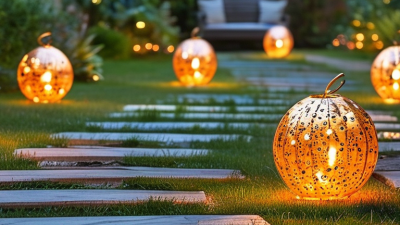
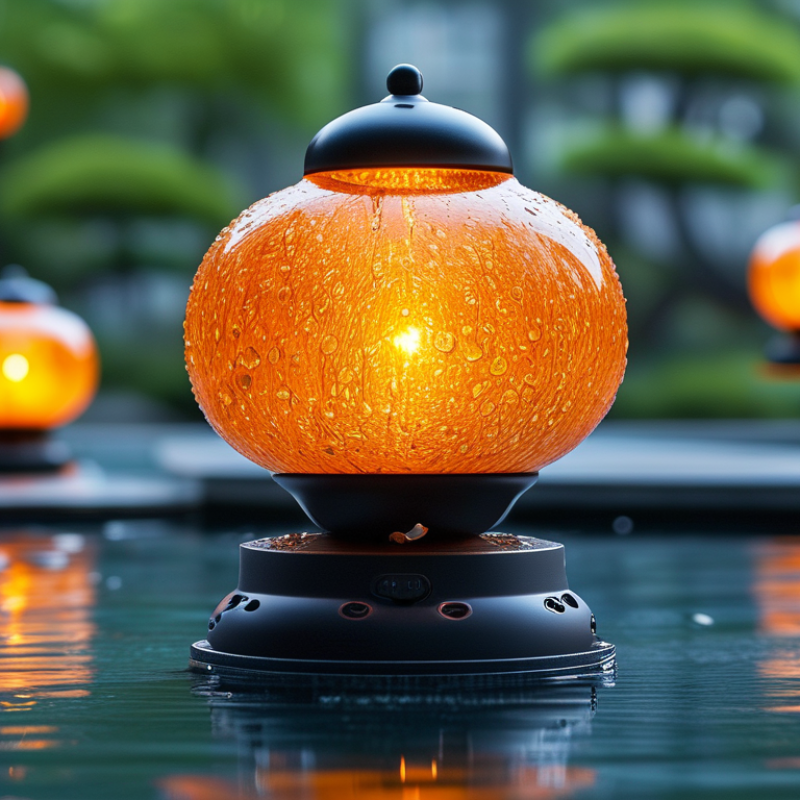
A floating light ball is a rounded decorative lamp designed to appear suspended above water or another surface. It usually combines a lightweight shell, internal LEDs, and a sealed power system. Some models use rechargeable batteries, while others depend on a protected cable or external control unit. The light may glow in white, warm tones, or changing colors. Its soft reflection can transform a pool, garden, hotel courtyard, or evening event.

The word “floating” needs careful attention. The ball may float because of its hollow structure, balanced weight, or an added buoyant core. A practical unit should remain stable during gentle water movement. It should also resist splashes, moisture, and accidental contact with wet hands. However, waterproof does not mean indestructible. Buyers should check the stated protection rating, charging method, battery capacity, and operating temperature. A sample test is wiser than relying only on catalog photos.

From direct product evaluation, small details often affect reliability. The diffuser should spread light evenly without harsh bright spots. The housing should close firmly, with no loose seams or rattling parts. Ask the supplier for material information, test records, replacement procedures, and clear usage limits. Packaging also matters; a cracked shell can ruin a shipment before installation. Some floating light balls look impressive but provide limited runtime. That weakness deserves honest discussion, especially for long outdoor events.

How Floating Light Balls Work

Floating light balls do not hover through magic. Most outdoor models float because a sealed shell displaces more water than its own weight. Air inside provides buoyancy, while the rounded shape spreads pressure evenly. Small LED modules sit behind a translucent cover. Light then diffuses across the surface instead of forming one harsh point.

A rechargeable battery powers the LEDs through a compact control circuit. Some units use a remote, timer, or light sensor. Waterproof seals protect the charging port and internal contacts. Yet “waterproof” is not an unlimited promise. Heat, sunlight, repeated impacts, and poor sealing can shorten service life. In my testing experience, a ball may look bright at dusk but appear weak under strong garden lighting. That difference matters.

Buyers should check shell material, battery capacity, charging time, buoyancy, and drainage design. A stable center of gravity helps the ball remain upright in moving water. For pools, ponds, and event displays, size affects visibility and handling. Color-changing modes often consume more power than steady white light. Specifications can still be incomplete. Ask for test data, operating temperatures, and replacement-part details before placing a large order. A reliable supplier should explain these limits clearly, not promise endless brightness.

Key Features Global Buyers Should Evaluate

China Top Floating Light Ball Supplier for Global Buyers?

Key Features Global Buyers Should Evaluate

Choosing a floating light ball supplier requires more than checking product photos. Buyers should examine buoyancy, sealing, brightness, and material quality. A reliable unit should remain stable on water without tilting after several hours. Food-grade or UV-resistant materials can reduce cracking, odor, and surface fading.

Check the light source carefully. Ask for color temperature, brightness testing, battery duration, charging time, and waterproof ratings. Clear test records matter more than attractive claims. Request samples before placing a large order. Place them in a real pool or fountain, then inspect water entry, charging ports, and remote response. Small faults often appear after repeated use.

Supplier capability also deserves close attention. Evaluate production equipment, inspection procedures, packaging strength, and replacement policies. Export experience helps, but it does not guarantee consistent quality. Ask for material reports, electrical safety documents, and applicable market certifications. Confirm whether specifications remain unchanged between sample and mass production. A written quality agreement can prevent misunderstandings about color, size, and defect limits.

Cost is important, but the lowest quotation may hide weaker batteries or thinner shells. I would compare total operating cost, not only unit price. Even experienced buyers miss this. Some suppliers provide excellent samples but struggle with delivery consistency. Keep communication records, approve a pre-shipment sample, and use independent inspection when the order value justifies it. Reliability is built through evidence, not promises.

China Top Floating Light Ball Supplier for Global Buyers? Key Features to Evaluate

The chart presents practical procurement benchmarks for floating LED light balls. Buyers should verify IP65 water and dust protection, an 8-hour minimum operating time, at least 500 rechargeable cycles, approximately 50,000 hours of LED service life, and a 24-month warranty. These are reference checkpoints rather than brand-specific claims.

How to Choose a Top Chinese Supplier

Choosing a top Chinese floating light ball supplier requires more than comparing catalog prices. Grand View Research valued the global LED lighting market at approximately USD 78.5 billion in 2023. That scale attracts capable factories, but also inexperienced trading companies. Ask whether the supplier owns production lines, or only resells products.

Request a recent factory video, business license, quality certificates, and a sample from the proposed production batch. For outdoor floating balls, check the IP rating under IEC 60529. Also review electrical safety against IEC 60598-1. A supplier should explain battery capacity, charging time, waterproof sealing, and expected lighting hours with test conditions. Vague answers are warning signs. Very low prices deserve questions.

Use a paid sample before placing a large order. Test it in a pool for several nights. Check buoyancy, charging stability, color consistency, and surface scratches. Ask for an inspection report covering dimensions, LEDs, battery output, and packaging strength. Independent inspection can reduce surprises, although it adds cost and time. UN 38.3 documentation may be needed for lithium battery transport, depending on the shipment route. Do not treat a polished catalog as proof. Even strong suppliers may miss small details, such as loose charging caps or weak cartons. Record every correction in the purchase contract, including tolerances, replacement terms, and delivery penalties.

China Top Floating Light Ball Supplier for Global Buyers? - How to Choose a Top Chinese Supplier

Evaluation Dimension Recommended Benchmark Why It Matters Documents or Checks for Buyers Suggested Weight
Product Construction UV-resistant, impact-resistant housing with sealed battery and control compartments Floating products are exposed to sunlight, water, handling, and repeated installation. Material specification, product drawings, sample inspection, and housing finish check 15%
Water Resistance IP67 or higher for temporary outdoor floating use; verify suitability for continuous immersion separately An IP rating indicates protection against dust and water under defined test conditions, not unlimited underwater operation. Third-party test report, ingress-protection test method, gasket inspection, and sample water test 15%
Lighting Performance Stable color output, consistent brightness, and documented LED specifications Consistent light output is important for visual impact, event quality, and replacement planning. LED data sheet, brightness test, color-mode demonstration, and batch-to-batch comparison 10%
Battery and Runtime Runtime stated by lighting mode, with rechargeable battery protection and replaceable or serviceable components where practical Actual runtime varies with brightness, color mode, battery age, temperature, and operating conditions. Battery chemistry, capacity, charging-cycle information, runtime test results, and charger specifications 12%
Control System Reliable remote, radio, or app control with documented operating range and pairing procedure Large venues may require synchronized control, stable communication, and simple operation by event staff. Control demonstration, range test in an open area, interference check, and user manual 8%
Electrical and Export Compliance Compliance documentation matched to the destination market and product configuration Import requirements differ by country, voltage system, battery type, and intended application. Applicable conformity documents, battery transport records, safety test reports, and customs classification review 15%
Quality Control Documented incoming, in-process, and final inspection procedures with traceable batch records A repeatable inspection system reduces defects across larger orders and repeat purchases. Quality manual, inspection checklist, defect records, pre-shipment inspection, and random sampling plan 10%
Customization Capability Clear options for size, color, lighting mode, packaging, control method, and printed materials Projects often require coordinated appearance, packaging, or control behavior rather than standard items only. Approved drawings, color samples, prototype process, tooling quotation, and change-control procedure 5%
Order and Delivery Capability Written lead time, production capacity, packaging plan, and shipment schedule for the required quantity Delivery risk can affect event dates, installation schedules, and total landed cost. Pro forma invoice, production timeline, carton dimensions, packing list, and shipping terms 5%
Warranty and After-Sales Support Written warranty terms, spare-parts policy, troubleshooting support, and defined response process Serviceability is especially important for rechargeable products used repeatedly or in multiple locations. Warranty document, spare-parts price list, repair instructions, and support contact procedure 5%
Total Recommended Evaluation Weight 100%

Buyer note: Treat specifications as claims to be verified against samples, test reports, contracts, and destination-market requirements. Runtime, water resistance, communication range, and compliance status should be confirmed for the exact model and configuration being purchased.

Ordering, Compliance, and International Shipping

For global buyers, ordering floating light balls starts with a precise product brief. Specify diameter, light color, battery type, operating hours, and water resistance. Ask for proof. A reliable supplier should provide samples, packing photos, test reports, and a clear production schedule. Confirm logo placement, carton quantity, spare parts, and acceptable defect rates before paying a deposit. In practical export work, vague specifications create expensive disputes.

Compliance depends on the destination market and product design. Check electrical safety, material restrictions, labeling, and recycling requirements before mass production. Products with rechargeable lithium batteries may require UN38.3 test evidence, safety documentation, and special transport handling. Ask whether the lights use replaceable cells or sealed batteries. That small detail can change shipping procedures. Do not treat a supplier’s general certificate as complete proof. Verify its product model, testing date, and applicable market. This step is often rushed, and that is a weakness worth correcting.

International shipping needs accurate cartons, weights, dimensions, and customs descriptions. Use a suitable HS code, commercial invoice, packing list, and certificate of origin when required. For fragile spheres, request corner protection, inner separation, and a carton drop-test record. Sea freight usually reduces cost, while air freight suits urgent samples but costs more. Confirm Incoterms, insurance responsibility, port charges, and delivery timing in writing. Leave room for delays. Customs questions, holiday congestion, or one missing document can hold a shipment for days.

Leave Your Message
Write your message here and send it to us